Billboard Exposure
1 media/IMG_2340_thumb.jpeg 2026-04-12T04:16:52+00:00 Zara Khokhar 1a9ee19b87edd14b681691634b07462607d8db7d 68 1 plain 2026-04-12T04:16:52+00:00 Zara Khokhar 1a9ee19b87edd14b681691634b07462607d8db7dThis page is referenced by:
-
1
2026-04-12T02:24:30+00:00
The Social Impacts
7
plain
2026-04-13T03:34:38+00:00
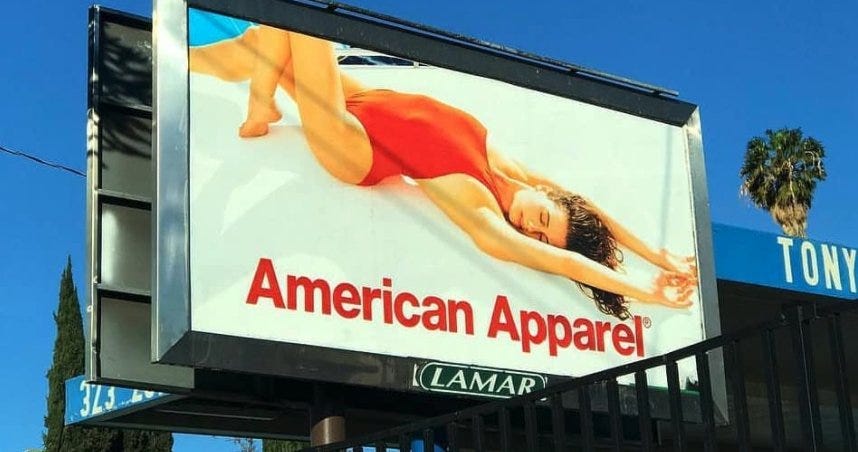
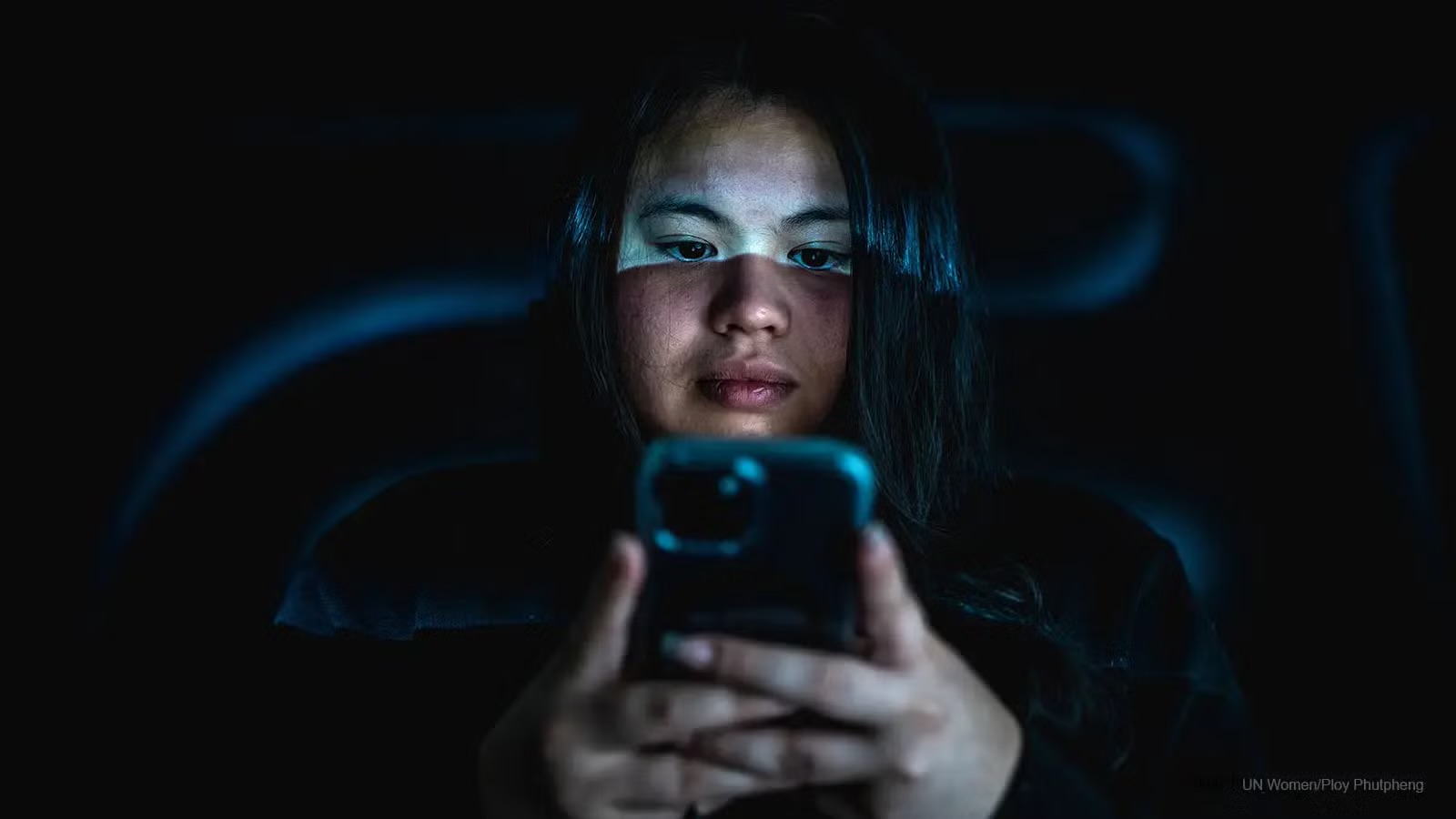
Members of society have failed to recognize the harm in hypersexualized advertisements at the forefront of individuals' subconscious interpretations. The favouring of male gaze is upheld when the “many women—particularly younger ones, and often without full awareness—may yield to the imperatives of the cultural industry and patriarchy, having learned that a sexualized image attracts attention. Framed as artistic, they unknowingly reproduce social conventions that privilege desirability” (Sacoto et al. 11). Specifically, the harm occurs when “girls and adolescents learn—through exposure to a hypersexualized culture—what is expected of women and try to fulfill those expectations by replicating behaviors that are socially rewarded” (Sacoto et al. 3). Therefore, consuming the subtle messages communicated through fashion advertising effectively lead to deeper internalizations, and reproduce patriarchal values among emerging generations. This proves that women's autonomy is an illusion of freedom, since the “hypersexualized society conveys the message that ‘a woman’s value lies in the amount of sexual desire she can generate” (Sacoto et al. 2), which results in women adopting the subconscious belief that acceptance comes at the cost of self-sexualization. This cycle keeps the perspective of male gaze on a pedestal, and it can only be broken through an analysis of the media’s intention and impact, as “it is said that analysing pleasure, or beauty, destroys it” (Mulvey 24). In order to combat this social imbalance women must rebuke the current representation, because “when women harness their potential, they can affect change in society and alter social stereotypes that depict them as the weaker sex” (Adiele and Eghagha 2).Members of society have failed to recognize the harm in hypersexualized advertisements at the forefront of individuals' subconscious interpretations. The favouring of male gaze is upheld when the “many women—particularly younger ones, and often without full awareness—may yield to the imperatives of the cultural industry and patriarchy, having learned that a sexualized image attracts attention. Framed as artistic, they unknowingly reproduce social conventions that privilege desirability” (Sacoto et al. 11). Specifically, the harm occurs when “girls and adolescents learn—through exposure to a hypersexualized culture—what is expected of women and try to fulfill those expectations by replicating behaviors that are socially rewarded” (Sacoto et al. 3). Therefore, consuming the subtle messages communicated through fashion advertising effectively lead to deeper internalizations, and reproduce patriarchal values among emerging generations. This proves that women's autonomy is an illusion of freedom, since the “hypersexualized society conveys the message that ‘a woman’s value lies in the amount of sexual desire she can generate” (Sacoto et al. 2), which results in women adopting the subconscious belief that acceptance comes at the cost of self-sexualization. This cycle keeps the perspective of male gaze on a pedestal, and it can only be broken through an analysis of the media’s intention and impact, as “it is said that analysing pleasure, or beauty, destroys it” (Mulvey 24). In order to combat this social imbalance women must rebuke the current representation, because “when women harness their potential, they can affect change in society and alter social stereotypes that depict them as the weaker sex” (Adiele and Eghagha 2).
Images in this online publication are either in the public domain or are being used under fair dealing for the purpose of research and are provided solely for the purposes of research, private study, or education.